DSBN
Annual Report
The 2024-2025 DSBN Annual Report showcases the exceptional achievements across District School Board of Niagara schools and worksites, reflecting our progress towards our strategic goals and priorities, as guided by our 2023-2028 Strategic Plan: Redefining Excellence.
This report celebrates the dedication of students, staff, trustees, and stakeholders who drive success in our community.
Inside, you’ll discover highlights of the outstanding work and learning initiatives that took place throughout the school year and into the summer, reaffirming our commitment to student success.
It's time to
redefine excellence
To achieve our vision of Learning and Growing Together, we are taking crucial steps forward, with the knowledge that we have the ability - as students, staff, families and community members - to redefine what excellence means to each of us.
DSBN Launches 2023-2028 Strategic Plan
What are the
Five Strategic Priorities?
These five Strategic Priorities embody DSBN's philosophy at the heart of who we are, what we believe and how we will act.


Learning
Learning and Growth
Strategic Priority
We value the uniqueness of each individual and believe everyone can excel and achieve excellence at the DSBN.
DSBN is a place where students can learn and grow at their own pace, in their own way. It is a place where they will determine their own goals and define their own personal version of excellence. We are each truly unique, and DSBN students and staff are empowered to learn and grow in a way that best reflects them as individuals.
What does this look like in action?
- Prioritizing and cultivating the relationships between educator and student by investing care and knowing each learner in the classroom community.
- Using innovative, engaging and culturally responsive programming to support students now and as they transition to their future pathways.
- Honouring student and staff voice as coauthors of their learning by valuing the importance of both collective and individual perspectives.
Spotlight
EQAO
Each year, the Education, Quality and Accountability Office (EQAO) administers standardized assessments in reading, writing and math for students in Grades 3 and 6. Grade 9 students complete a math assessment and Grade 10 students write the Ontario Secondary School Literacy Test (OSSLT), a graduation requirement that measures key literacy skills.
DSBN is pleased with results on the EQAO assessments and proud of the hard work and engagement shown by our students. Their progress reflects the collaborative efforts of teachers, instructional coaches, consultants, and administrators across the system. Together, we remain committed to building on this success and continuing to improve student learning and achievement.
Elementary EQAO
Grade 3
Grade 3 students topped the provincial averages by as much as 15%, with reading at 87%, writing at 80%, and math at 79%.
|
2024/2025 DSBN |
2024/2025 Province | |
|---|---|---|
| Reading | 87% | 74% |
| Writing | 80% | 65% |
| Math | 79% | 64% |
Grade 6
Grade 6 students achieved great success, improving in all areas and performing above the provincial average by 20% in math, 8% in reading and 9% in writing.
|
2024/2025 DSBN |
2024/2025 Province | |
|---|---|---|
| Reading | 94% | 86% |
| Writing | 94% | 85% |
| Math | 71% | 51% |
Secondary EQAO
EQAO results in secondary were also positive, with DSBN outperforming the province in Grade 9 math by 8% and 4% in Grade 10 OSSLT.
Grade 9
| Grade 9 |
2024/2025 DSBN |
2024/2025 Province |
|---|---|---|
| Math | 66% | 58% |
Grade 10 OSSLT
|
2024/2025 DSBN |
2024/2025 Province | |
|---|---|---|
| OSSLT | 89% | 85% |
Highlights

Belonging
Equity, Inclusion, & Human Rights
Strategic Priority
We respect and uphold the importance of equity, inclusion, dignity and human rights in all learning and working environments so individuals from all social realities and lived experiences are valued.
DSBN is a place where students and staff feel safe to be themselves. It is a place where we honour and actively dismantle barriers that prevent the celebration of each individual’s unique traits, cultures, talents and experiences. Our schools thrive on developing differentiated strategies to ensure each learner has what they need to flourish.
What does this look like in action?
- Uphold human rights and build knowledge and awareness of the principles of anti-bias, anti-racism, anti-colonialism, anti-oppression and inclusion.
- Identify and eliminate systemic barriers, racism and discrimination to ensure equitable access to positive opportunities and outcomes for all.
- Provide differentiated strategies and programming to accommodate each learner in a way that promotes their inclusion and full participation in learning.
- Examine and change policies, procedures and practices through an equity, inclusion and human rights lens to eliminate differential treatment and outcomes for sovereignty seeking and equity deserving groups.
Spotlight
RISE Up Equity Conference Unites DSBN Students
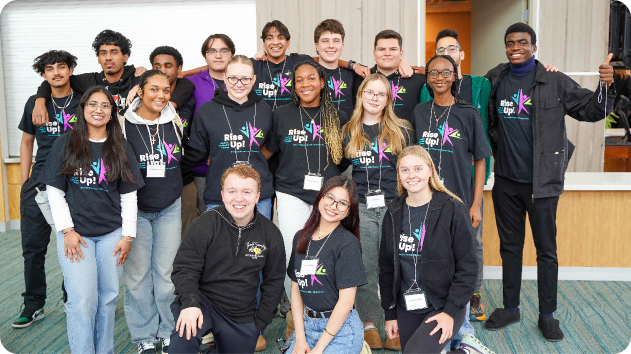
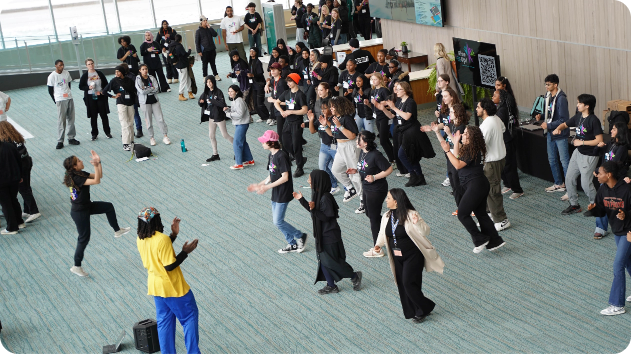
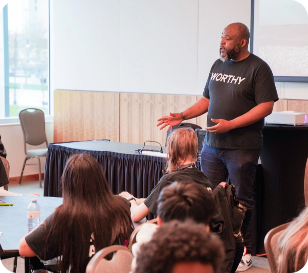
The DSBN’s third annual equity conference, RISE Up - Students Leading the Change, was another empowering event. Held on February 12, secondary students from across DSBN united to tackle issues of inequity and inspire action towards creating more inclusive school communities. With a diverse attendance of 240 students, 16 staff advisors and 24 support staff representing all 16 secondary schools, the conference provided an important opportunity for students to collaborate, share insights and cultivate practices of advocacy, healing and change-making. Students engaged in small group sessions led by experienced facilitators, exploring topics such as self-advocacy, social justice, Indigenous perspectives, 2SLGBTQ+ inclusivity, and the power of creative expression in addressing mental well-being.
At the heart of the conference was the empowerment of students to become catalysts for change within their schools and communities. The event not only provided a space for learning and self-reflection, it also facilitated networking and collaboration among students, reinforcing the idea that every individual has the agency to inspire and lead meaningful change. The conference’s success lay in its ability to ignite passion, foster understanding, and create an environment where students feel recognized, respected, and equipped with the tools and inspiration needed to address inequities and champion inclusivity in their educational journey and beyond.
20 Years of DSBN's Special Olympics
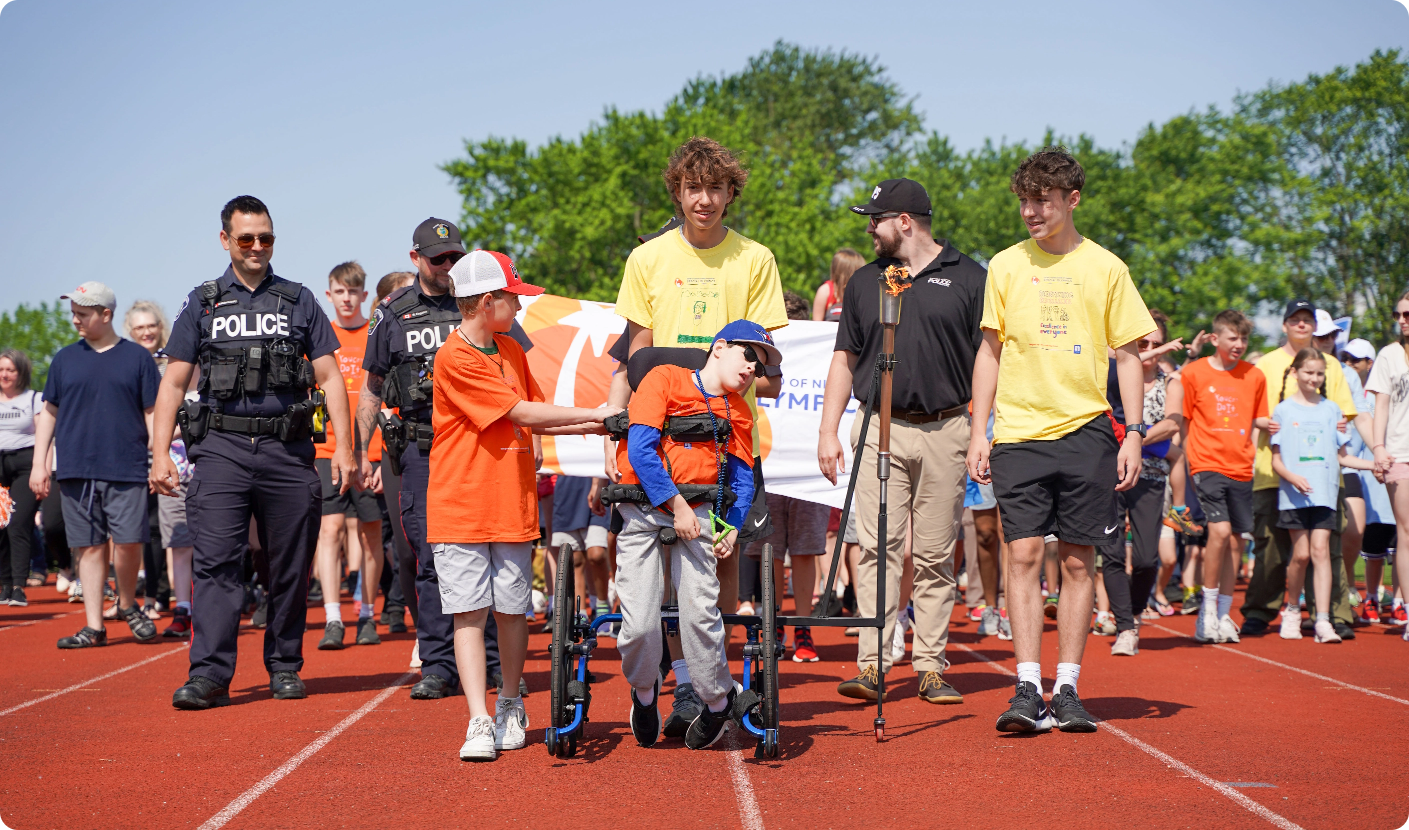
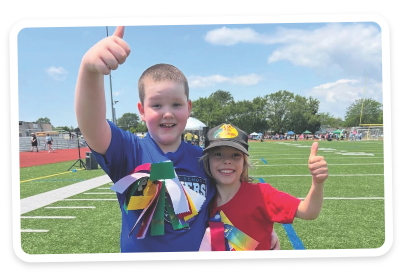
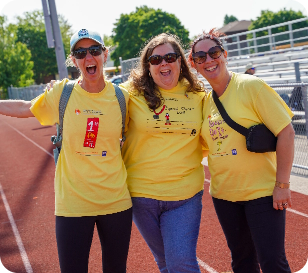
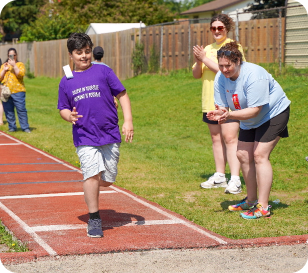
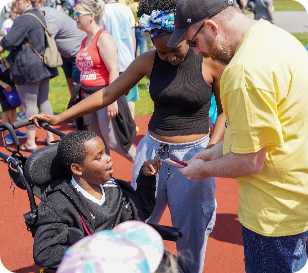
June 10th was an unforgettable day for students, families and staff as we hosted the 20th annual DSBN Special Olympics! Held at Welland Centennial on a beautiful sunny day, more than 1,000 superstar students from almost every DSBN school came together to have fun, get active, and showcase their talents. The day officially started with the much-loved parade of athletes, led by a group of talented bucket drummers from Pine Grove and Ferndale Public Schools. Students then participated in a variety of events, proudly wearing the many ribbons they earned throughout the day.
Cheering crowds, smiling faces and endless encouragement from families, volunteers, community partners, dedicated staff and amazing student helpers made the day even more special for the athletes. We would like to give special shoutouts to students in St. Catharines Collegiate’s manufacturing class who designed the adaptive device used by this year’s official Torch Bearer and to the skilled class at Sir Winston Churchill Secondary School that helped with graphic design work. We are deeply grateful to everyone who helps make the DSBN Special Olympics such a heartfelt success, year after year. Thank you to everyone who poured their time and energy into bringing this meaningful and memorable day to life!
Highlights

Thriving
Mental Health & Well-Being
Strategic Priority
We believe in cultivating learning and working communities where everyone feels safe and connected while increasing mental health awareness knowledge and skills.
DSBN is a place where individuals are encouraged to nurture their interpersonal, self-awareness and self-control skills to enhance their contributions, whether it be in the classroom, in the workplace, or interacting with others in the community. Together, we will seek to understand each persons’ context and work together to provide individualized supports.
What does this look like in action?
- Strengthen the universal delivery of social emotional learning and mental health literacy to ensure students have a diversity of skills to be successful.
- Deepen our understanding of the unique experiences and circumstances of individuals to support the needs of students and school communities.
- Enhance access to intensive and integrated supports that further promote the partnership between school and community.
DSBN advanced its Thriving strategic priority by strengthening mental health literacy, supporting social-emotional learning, and nurturing school communities where students feel safe, connected, and cared for. A strong focus on relationships guided our work - helping students feel understood, supported, and able to navigate challenges in positive ways. By deepening our understanding of student needs and expanding access to coordinated supports, we continue to build the conditions for every learner to develop the skills, confidence, and well-being they need to succeed in school and beyond.
Together, the following initiatives highlight how this work came to life across DSBN in 2024-2025.
Spotlight
Mental Health Literacy Modules for Grade 10 Career Studies
In 2024-2025, the Ministry of Education released two new 60-minute mental health literacy lessons for Grade 10 Career Studies, developed collaboratively by educators and mental health professionals. One lesson focused on strategies for managing stress and maintaining balance, while the second helped students understand when, where, and how to seek support if needed. These lessons built on the Mental Health Literacy Modules introduced for Grades 7 and 8 in 2023–2024, providing students with a consistent and developmentally appropriate foundation as they move through the grades. All DSBN Career Studies teachers participated in a half-day in-service to explore the new modules and strengthen best practices for teaching mental health literacy in their classrooms.
Social Emotional Learning Programs
DSBN youth counsellors delivered 977 Social-Emotional Learning (SEL) programs across the system, helping students build essential skills for managing emotions, strengthening relationships, and making positive choices. A key highlight of the year was the introduction of "SNAP for Schools", delivered in partnership with Toronto’s Child Development Institute. SNAP (Stop Now And Plan) uses cognitive-behavioural strategies and interactive activities to teach students how to pause and respond thoughtfully in challenging moments. Participating classrooms observed decreased aggression, bullying, and rule-breaking, along with increased acts of kindness, cooperation, and positive peer interactions.
DSBN Mental Health and Well-Being Team
The DSBN continued to strengthen its elementary social work model in 2024–2025 by differentiating case management and intervention-focused support for students. Intervention Social Workers dedicated more time to helping children build coping skills, manage emotions, and work through challenges. This work was complemented by the introduction of Priority School Youth Counsellors, a new staffing model created in 2024-2025 to provide enhanced, school-based mental health and behavioural support in elementary sites with higher needs. Together, Social Workers and Priority YCs offered coordinated, relationship-based support that ensured more students received timely help when they needed it most. This integrated approach reinforced our Thriving priority and contributed to greater confidence, resilience, and well-being across our elementary schools.
System-Wide Capacity Building in Restorative Practices
Restorative approaches continued to strengthen school climate across the DSBN in 2024–2025, supporting safe, inclusive, caring, and connected learning environments. The Mental Health & Well-Being, Safe Schools and Indigenous Student Well-Being Teams collaborated to provide system-wide professional learning, with all Priority Youth Counsellors, Secondary Student Success Teachers, and Administrators participating in training designed to build consistent, relationship-centred practices. Staff were equipped with practical strategies to support both everyday relationship-building and constructive responses when harm occurs, helping students navigate conflict in ways that promote growth and accountability. One pilot school engaged its entire staff in restorative training, demonstrating the impact of a coordinated, school-wide approach, while additional staff across the system deepened their skills through voluntary summer learning. Combined with expanded SEL programming, strengthened social work supports, and new mental health literacy resources, this work reflected meaningful progress toward the Thriving priority, ensuring that every student was supported to grow socially, emotionally, and academically.

Walking Together
First Nation, Inuit and Métis education and voice
Strategic Priority
We value and respect the rights of First Nations, Inuit and Métis communities, families and individuals and believe in honouring these voices.
DSBN believes in taking action to demonstrate that the knowledge, experiences and perspectives of First Nations, Inuit and Métis communities are critical to learning and growth for everyone. We strongly believe that supporting First Nation, Inuit and Métis student voices and well-being includes investing in opportunities for these voices to be heard. We will commit to ongoing reconciliation by bringing the truths of history forward, enabling us to keep working towards creating positive, long-term change.
What does this look like in action?
- Invest in relationships with Indigenous organizations, Treaty Partners and families to strengthen community voice, build trust and offer reciprocity.
- Promote strategies to work from an asset lens and drawing from the National Centre For Truth and Reconciliation’s Calls to Action to strengthen the presence of First Nation, Inuit and Métis cultures, languages, histories and current realities to promote a deeper understanding for all.
- Honouring First Nations, Inuit and Métis student voice to further support their well-being and school experiences to promote students’ learning and growth.
Indigenous Education Team
Grounded in the 2023-2028 Strategic Plan and the central Strategic Priority: Walking Together, First Nations, Inuit and Métis Education and Voice, the Indigenous Education team designed a plan to guide schools in developing their understanding and capacity for meaningful personal and professional action.
A significant structural adjustment was initiated in January of the previous year with the addition of a second Student Achievement Leader, dividing the workload into two distinct and focused divisions. This strategic division allowed for greater expertise and accomplishment by dedicating one leader to direct support for Indigenous students and families, and the other to professional learning, curriculum support, and the board action plan.
The 2024-2025 school year has been marked by stability and deepening engagement, continuing with the same core goals from the previous year:
- Supporting the wellness and achievement of First Nations, Métis, and Inuit students, and amplifying their voices.
- Strengthening the presence of Indigenous culture, languages, and history for all students.
- Assisting educators and staff to incorporate Indigenous knowledge through capacity building and professional learning.
- Increasing the involvement of community partners through the Indigenous Education Council (IEC).
This report details the continued implementation of this plan, highlighting an increase in participation across the system. This includes attendance at ongoing professional development (PD) sessions, high profile guest speakers, and, notably, the increased interest and involvement in student leadership and events. These trends demonstrate a growing commitment at both the system and school level to deepening the work of reconciliation.
Spotlight
Secondary Professional Learning: Capacity Building and Curriculum
Professional learning for secondary staff was a key focus, driven by a commitment to embedding Indigenous knowledge across the curriculum. The team pursued this goal through both high-impact events and sustained, deep-dive learning opportunities.
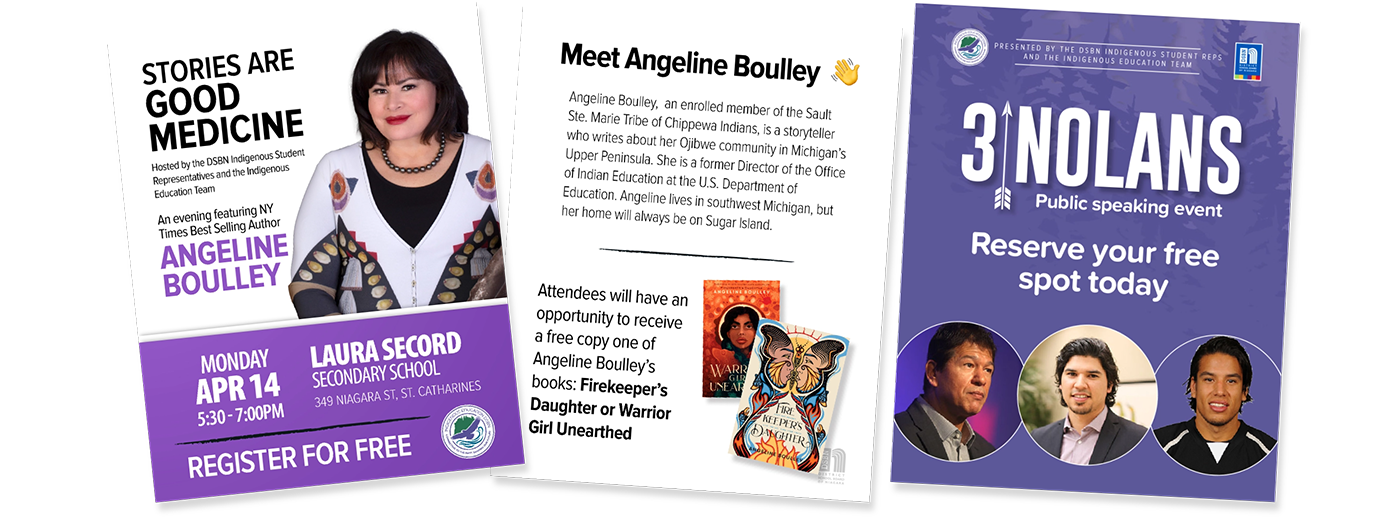
The year featured successful Secondary Navigator Sessions for teachers, which were exceptionally well-attended and received overwhelmingly positive feedback. These four full-day sessions featured distinguished guest speakers including:
- Angeline Boulley: New York Times best-selling author
- Ted Nolan: Famous NHL hockey player and community leader
- Dr. Andrew Judge: Respected academic and Traditional Knowledge Holder, an Assistant Professor of Indigenous Studies at Wilfrid Laurier University
In addition to these major events, the professional learning plan maintained consistency and depth through:
- Ongoing PD sessions dedicated to supporting the Grade 11 English course, Native Literatures and Contemporary Voices (NBE 3C/3U).
- The formation of several small learning teams dedicated to curriculum development and resource creation in various subject areas across the secondary division.
The strong and consistent participation in both the large sessions and the smaller learning teams demonstrates the successful effort to build and deepen educator capacity in Indigenous education.
Indigenous Education Council (IEC) Revitalization
The Indigenous Education Council (IEC) underwent a significant transformation in the 2024–2025 school year, driven by a commitment to amplify authentic community and family voices.
To better serve the Board’s specific strategic needs, the IEC transitioned away from a joint structure with the Catholic Board to hold independent meetings focused exclusively on DSBN goals and initiatives.
A key element of this change was the deliberate shift away from formal parliamentary procedure (Robert’s Rules of Order). This decision created a more relaxed, engaging, and welcoming environment where genuine dialogue could flourish. The focus of the meetings broadened significantly from listening to formal reports (from agencies, post-secondary institutions, and internal teams) to prioritizing lived experiences. By centering the discussion on firsthand accounts, the council successfully increased student and parent voice, gathering valuable insights into family experiences and desired changes within our schools.
The new, community-focused structure resulted in increased involvement from both students and parents. This generated valuable and actionable feedback that will directly inform the team’s ongoing initiatives and resource allocation for the current year.
Other Initiatives for 2024-25
Ribbon Shirt & Skirts
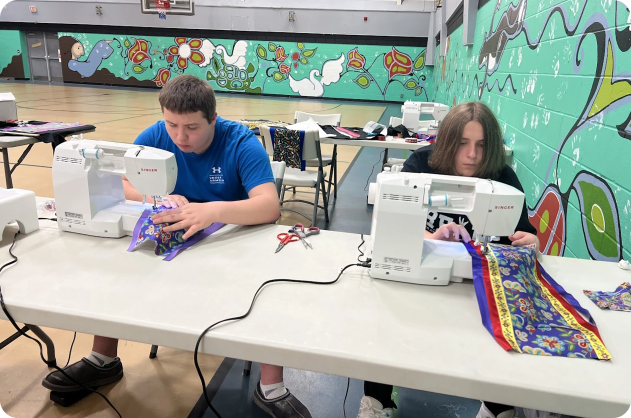
In May 2025, with a combined effort between the Homeward Bound and the Wasanabin Programs, as well as a teacher from Greater Fort Erie Secondary School (GFESS), five GFESS students participated in a two day workshop to make ribbon shirts. The students were accompanied by the GFESS teacher to walk to the Fort Erie Native Friendship Center where they sewed ribbons onto pre-purchased collared shirts. The regalia are significant to the students as they can wear them to their graduation ceremonies and other culturally important events.
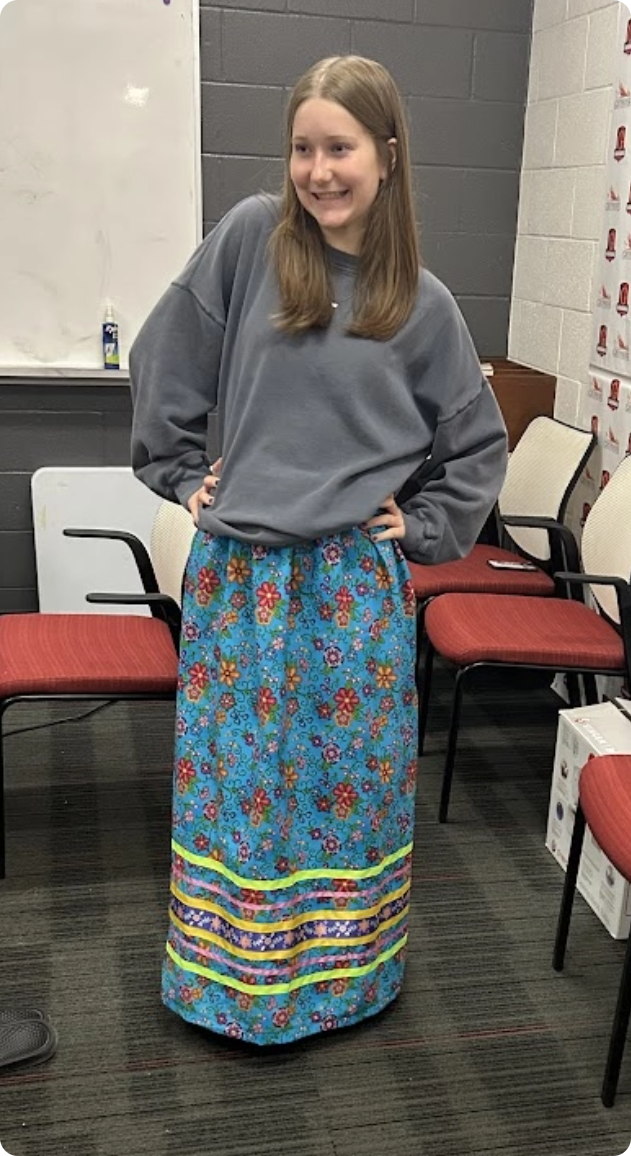
On May 20th and June 9th, four students from GFESS and the Indigenous Student Alliance group participated in a ribbon skirt making workshop. This workshop was supported by the Indigenous Student Alliance group at the school. A member of the DSBN Indigenous Education team guided four students and support teachers in selecting materials, measuring their size and sewing their skirts to create culturally significant clothing to be worn at events and ceremonies.
In keeping with the DSBN’s commitment to fostering community partnerships and walking together with the Courage to Soar Program, five participants were invited to partake in a ribbon skirt making workshop over four afternoons, from July 14-17. With a dedicated team, families from the community were able to have their daughter partake in creating their own ribbon skirt. The workshop was held at the Fort Erie Native Friendship Center in the Courage to Soar classroom from 12:30-4 pm. This time was spent on cultural teachings, planning, measuring and sewing of the skirts. Participants were responsible for their own transportation to and from the center for the workshop. One afternoon was dedicated to purchasing the required supplies.
Highlights

Spaces
Learning Environments
Strategic Priority
We value caring and supportive environments that promote lifelong learning for all students, staff and community.
DSBN is a place where learning happens everywhere. Learning can happen inside the classroom, outside with nature, or in a virtual space. At the DSBN, learning is not limited to a classroom. Learning happens within a combination of the physical spaces we provide, as well as the supportive, caring and welcoming spaces we create. DSBN is a learning organization where students and staff feel comfortable to learn, empowered to excel and safe to be.
What does this look like in action?
- Establish learning spaces that are safe, welcoming and responsive to student needs.
- Foster environments that promote lifelong learning for all students, staff and community through a collective responsibility to nurture a culture of trust, respect and cooperation.
- Optimize our facilities and human resources to effectively and responsibly create environments that enhance learning.
- Recognize that we are all part of local and global communities and responsible for environmental stewardship.
Spotlight
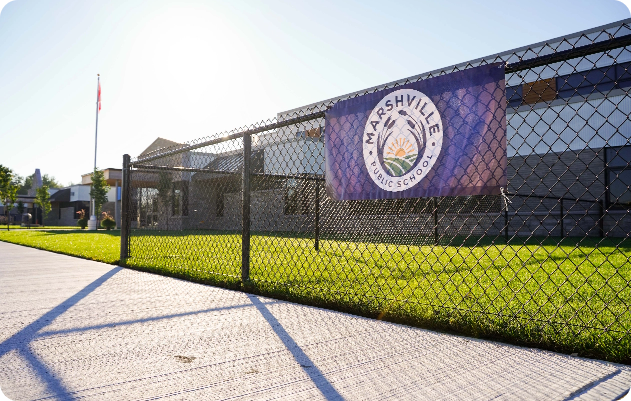
Introducing Marshville Public School, Home of the Rattlers
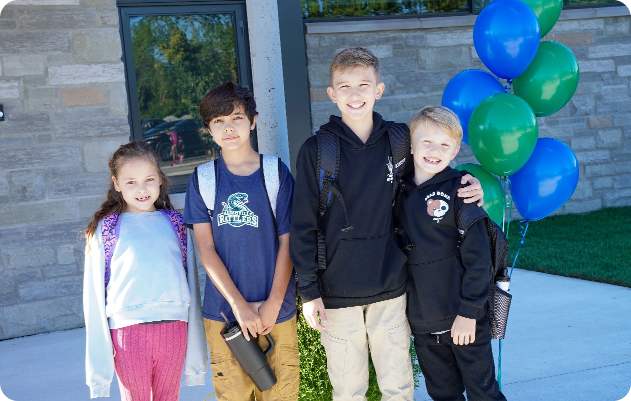
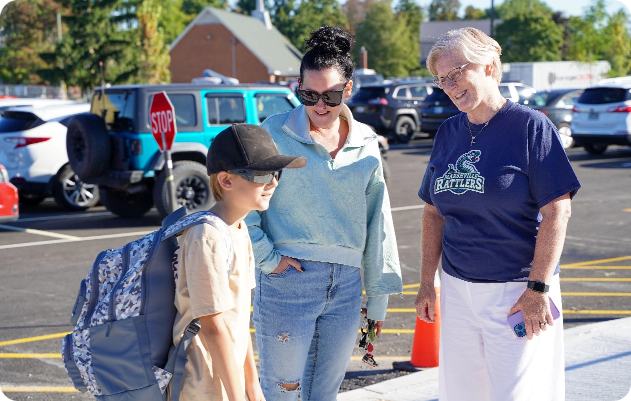
In September 2024, Marshville Public School opened its doors, welcoming over 430 students to a brand new, state-of-the-art facility.
DSBN’s newest elementary school gained its name through the township’s caring and invested community members, many of whom were part of the former William E. Brown and Winger Public Schools.
With a strong desire to honour the history and heritage of the region, the school adopted the Rattlers as its mascot, a nod to the Massasauga rattlesnakes that call the marshy ground of the Wainfleet bog home.
Located in the heart of Wainfleet, Marshville Public School is also home to St. Elizabeth Catholic Elementary school in partnership with the Niagara Catholic District School Board. Together, the joint school offers 587 elementary spaces – of which 469 are DSBN – and includes three new child care rooms with 49 licensed spaces for local families.
This new school marks the beginning of fresh learning experiences, meaningful connections, and lasting memories for students and families alike.
Highlights
Capital Project Investments
In 2024-2025, the Board invested $81.5M in 236 capital projects and successfully secured Ministry approval for 3 new school builds. Of this amount, $43M included infrastructure renewal efforts for mechanical and system upgrades, energy-efficient projects, roofing, and window replacements, and over $2.6M for accessibility enhancements.