At the DSBN, we believe safe and supportive schools begin with belonging. Strong relationships, clear expectations and caring, inclusive learning environments help students feel connected, participate in learning and experience success.
When challenges arise or harm occurs, our goals is to respond in ways that:
- Maintain safety
- Reinforce expectations and support learning
- Promote accountability
- Repair harm and relationships
- Help students return to learning and belonging
Progressive discipline and restorative practices work together to support this approach.
What is Progressive Discipline?
Progressive discipline is an approach that helps schools respond to student behaviour in ways that promote safety, accountability, learning and positive behaviour.
Responses exist along a continuum and are based on the nature of the behaviour, its impact, and the individual student’s needs and circumstances.
School staff focus on:
- What happened and who was affected
- Student needs, circumstances and mitigating factors
- The safety and well-being of everyone involved
- Student voice and perspective
- The response that will best support accountability, learning and a successful return to learning
Ontario’s approach to progressive discipline is set out in PPM 145, which requires schools to consider a range of appropriate responses, supports and consequences based on the individual student and the circumstances of each situation. For more information, see Supporting bias-free progressive discipline in schools.
Progressive discipline and restorative practices are complementary. Progressive discipline helps schools determine an appropriate response; restorative practices help prevent harm, strengthen relationships, support accountability and, when appropriate, repair harm and restore learning.
What are Restorative Practices?
Restorative practices are a relationship-based approach to building belonging, strengthening community and responding when challenges or harm occur. They recognize that strong relationships and a sense of belonging are foundational to safe, supportive learning environments.
Contemporary restorative practices have been influenced by Indigenous approaches to community, relationship, accountability and restoring balance, including practices and teachings from First Nations and Māori communities.
Much of restorative practice happens proactively, before harm occurs.
Everyday practices such as building relationships, creating classroom community, establishing shared expectations and giving students voice help create the conditions for belonging and learning.
When challenges or harm occur, restorative practices can help to:
- Understand what happened and who was affected
- Give those affected an opportunity to be heard
- Support accountability and responsibility
- Identify what is needed to repair harm
- Rebuild trust and relationships where appropriate
- Support a safe return to learning
Restorative conversations are one way staff may respond when challenges or harm occur.
Depending on the situation, staff may ask:
- What happened?
- What were you thinking at the time, and what have you thought about since?
- Who has been affected and how?
- What do you need to move forward?
- What needs to happen to make things right?
These questions help students reflect on impact, responsibility, needs and what may be needed to move forward.
What This Looks Like in Schools
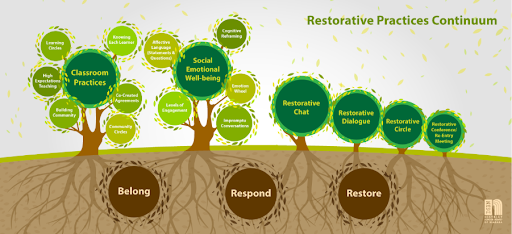
Restorative practices exist along a continuum – from the everyday practices that build belonging and relationships to more structured responses when harm occurs.
Everyday practices that build belonging:
- Building relationships and knowing students
- Co-creating classroom agreements and expectations
- Learning and community-building circles
- Student voice, choice and reflection
- Teaching and reinforcing routines and expectations
When challenges or harm occur:
- Restorative conversations and problem-solving
- Supporting students to understand impact and take responsibility
- Repairing harm and supporting a return to learning
- More structured restorative processes when appropriate
Safety Comes First
Restorative responses are carefully matched to the situation and the needs of those involved. Safety and well-being come first, and participation in formal restorative processes is voluntary and carefully planned.
When More Structured Support is Needed
When more serious incidents occur, a formal disciplinary response, including suspension or expulsion, may be required or considered under the Education Act.
Restorative practices do not replace consequences or formal discipline. When appropriate, they work alongside them to support accountability, repair harm and help students return safely and successfully to learning.
In these situations, schools consider the safety, well-being and needs of everyone involved. This includes supporting students who have experienced harm, establishing appropriate safety measures, supporting accountability for students who have caused harm, and planning carefully for a return to learning.
More structured restorative processes may also be considered when appropriate. These processes are carefully planned, facilitated by staff with appropriate training and matched to the circumstances and needs of those involved.
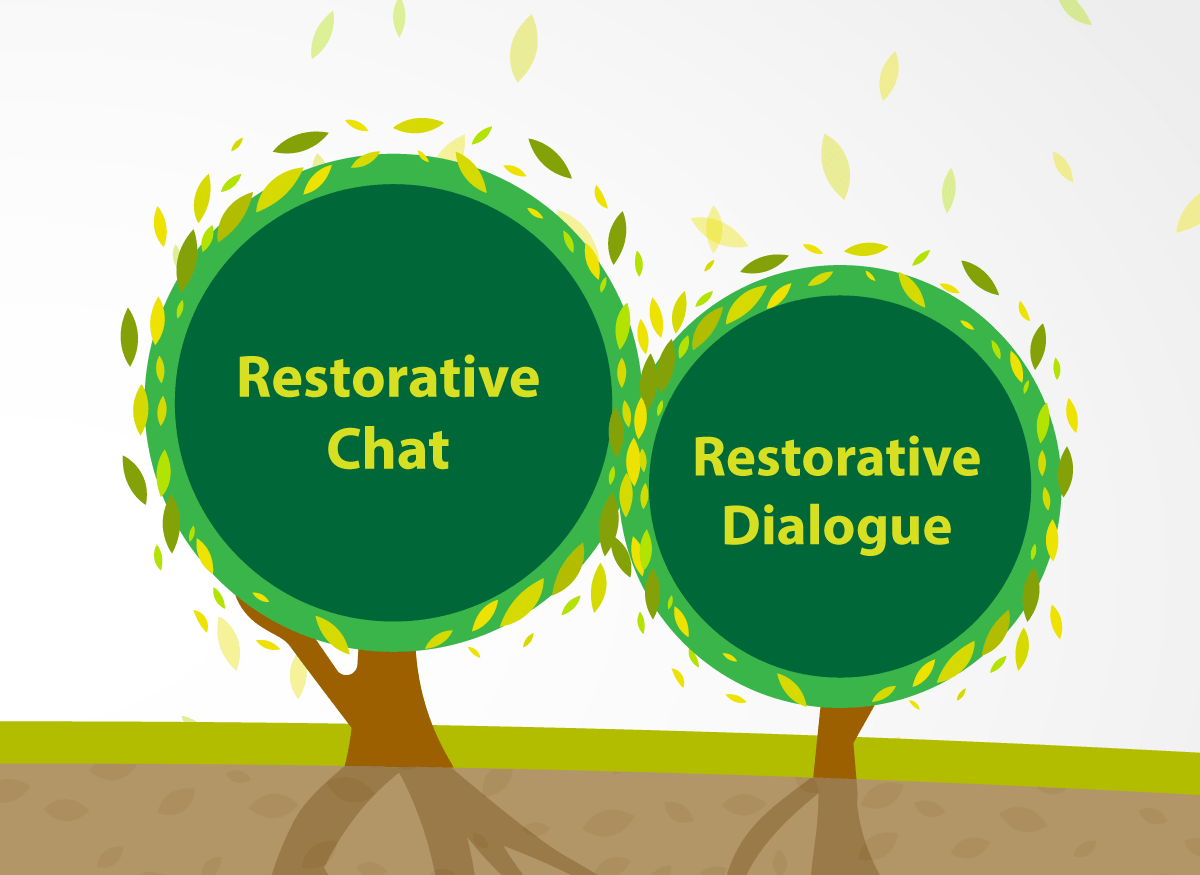
Restorative Chats and Dialogues
Restorative chats are informal conversations that can help address everyday concerns. Restorative dialogues are more structured conversations, supported by staff with appropriate training, when additional planning and supports are needed.
Both can help participants:
- Share perspectives
- Understand impact
- Identify needs
- Consider how harm may be repaired
- Plan how to move forward
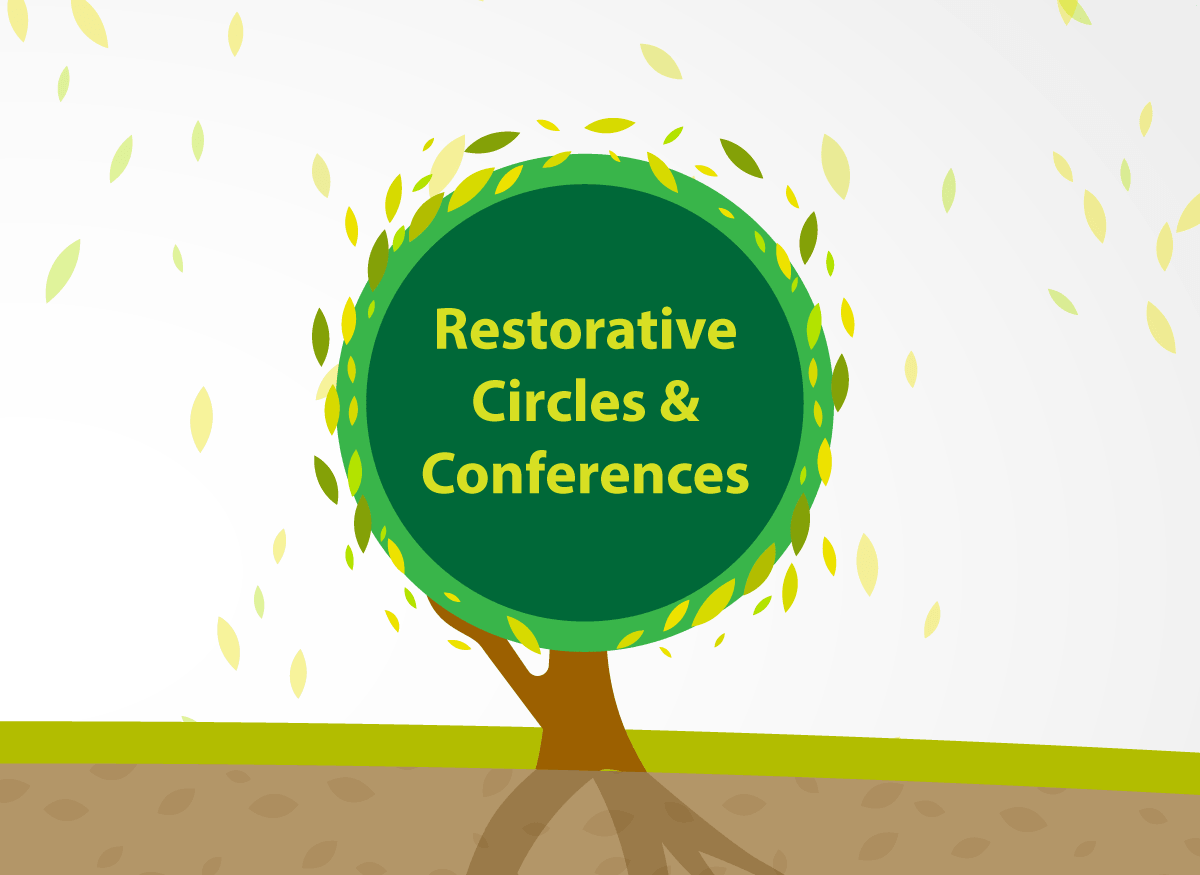
Restorative Circles and Conferences
Carefully planned, structured meetings that may include students, families, staff, and others affected by the situation.
Participants may:
- Share perspectives and understand impact
- Identify needs and responsibilities
- Develop a plan to repair harm and move forward
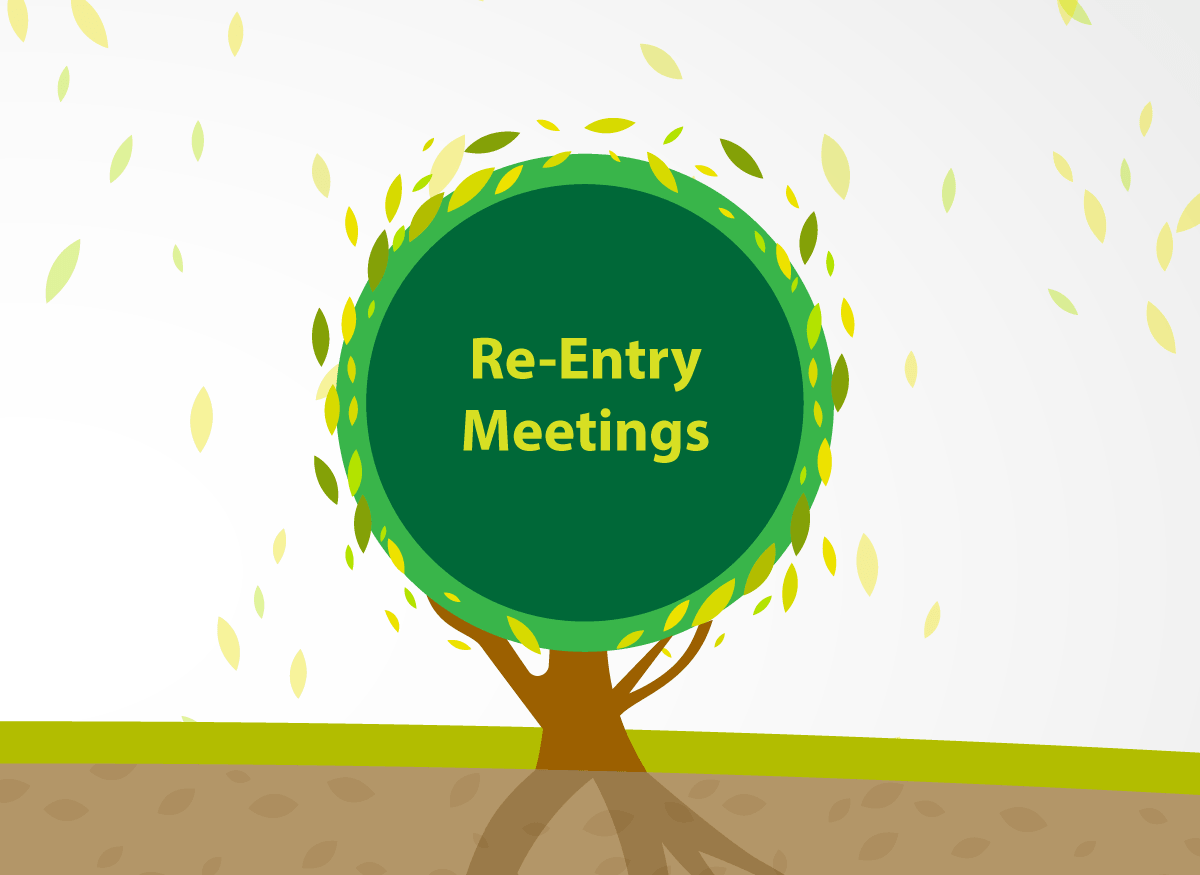
Re-Entry Meetings
Meetings that support a student’s safe and successful return to learning following a suspension.
Focused on:
- Reconnection and belonging
- Expectations and accountability
- Repairing relationship where appropriate
- Supports for a successful return to learning
Common Questions About Restorative Practices
What happens when restorative practices are being considered?
School staff first focus on:
- Ensuring everyone is safe
- Understanding what happened and who has been affected
- Considering the needs of those involved
- Determining appropriate supports and responses
When a formal restorative process is being considered, staff will explain the process, who may be involved and what to expect. Families will have an opportunity to ask questions before the process takes place.
Do restorative practices replace consequences?
No. Restorative practices do not replace consequences.
Consequences and restorative practices can work together. An appropriate consequence may address the behaviour, while restorative practices can help students understand the impact of their actions, take responsibility, repair harm where possible, and return to learning.
The goal is accountability, learning and reducing the likelihood of harm happening again.
What if my child was harmed?
The safety and well-being of students who have experienced harm comes first. School staff will work with the student and family to understand what happened, identify what the student needs to feel safe and supported, and determine appropriate next steps.
Students who have experienced harm will have opportunities to share their perspective and needs. They are never required to participate in a formal restorative process or meet directly with the person who caused the harm.
Is participation required?
No. Participation in formal restorative processes is voluntary.
Students are prepared in advance, understand what to expect, and can choose whether they wish to participate. They may also choose to stop participating at any time.
Formal restorative processes are carefully planned and facilitated by staff with appropriate training and support.
What if a student chooses not to participate?
Choosing not to participate in a formal restorative process does not mean the school stops responding to the situation.
The school will continue to:
- Take appropriate steps to maintain safety
- Apply progressive discipline and other appropriate responses
- Provide support to students who have experienced harm
- Support the student who caused harm in taking responsibility, learning and returning successfully to learning
What is the role of parents and families?
Families are important partners in supporting student safety, learning and well-being. Talking with your child, listening to their perspective, supporting reflection and sharing information with the school can help everyone better understand what happened and what may be needed to move forward.
Families are encouraged to connect with the school at any time with questions or concerns.
Learn More
For more information, please visit: